Blog: When does training become overtraining?
January 05, 2012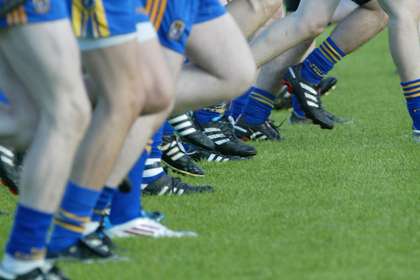
Training time - and they are off...
GPA chief executive and member of the GAA's standing committee on playing rules Dessie Farrell admitted the training ban was being broken and argued that rules that were not enforceable should not be introduced. He went on to add that county boards were happy to pretend the rule was being followed as they did not have to pay players' expenses for covert training during the last two months of the year.
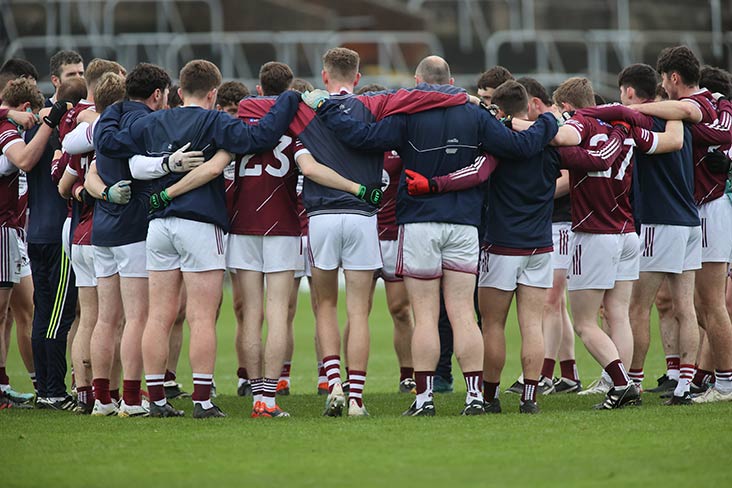
After 61 days when everybody in the GAA knew that a rule was being broken, we are now into January training which sees a number of counties training every morning and twice a day for a number of weeks.
Dublin and Donegal footballers to name just two are meeting up nearly every morning and most evenings, for a training regime that most professional sportsmen would struggle to maintain. Add in the fact that most of the players have day jobs, and it is a gruelling regime.
The training ban was introduced to stop player burn out but instead we are headed for a situation where counties, many of whom are in serious financial difficulty, are independently allowed to decide whether their players train 50 or 12 times in January.
Once one county trains every day, others feel they must match that effort for fear of falling further behind. It is a vicious circle and the GAA are doing little to stop it. Indeed, it is coming perilously close to overtraining.
Periodically motions have come before Congress looking to limit intercounty training to a fixed number of hours per week, but they have never had real support.
We hear plenty about player welfare issues, but who at the moment is standing up for players who are being pushed close to breaking point?
It's time for proper regulation with set periods of time allotted for training, outside which teams cannot collectively come together. The players are amateurs and unless the GAA wants to pay them as professionals, it needs to protect them from being put through regimes which apply to professional athletes.
There has been much comment over the last decade that the standard of our games is dropping. Natural skill is losing out to brawn and endurance, and the race for success which starts manically over the winter months plays a big part in that.
It's time to shout stop! Tweet